Taking place the 2019 Education for the Elderly Summit, Ministry of Education
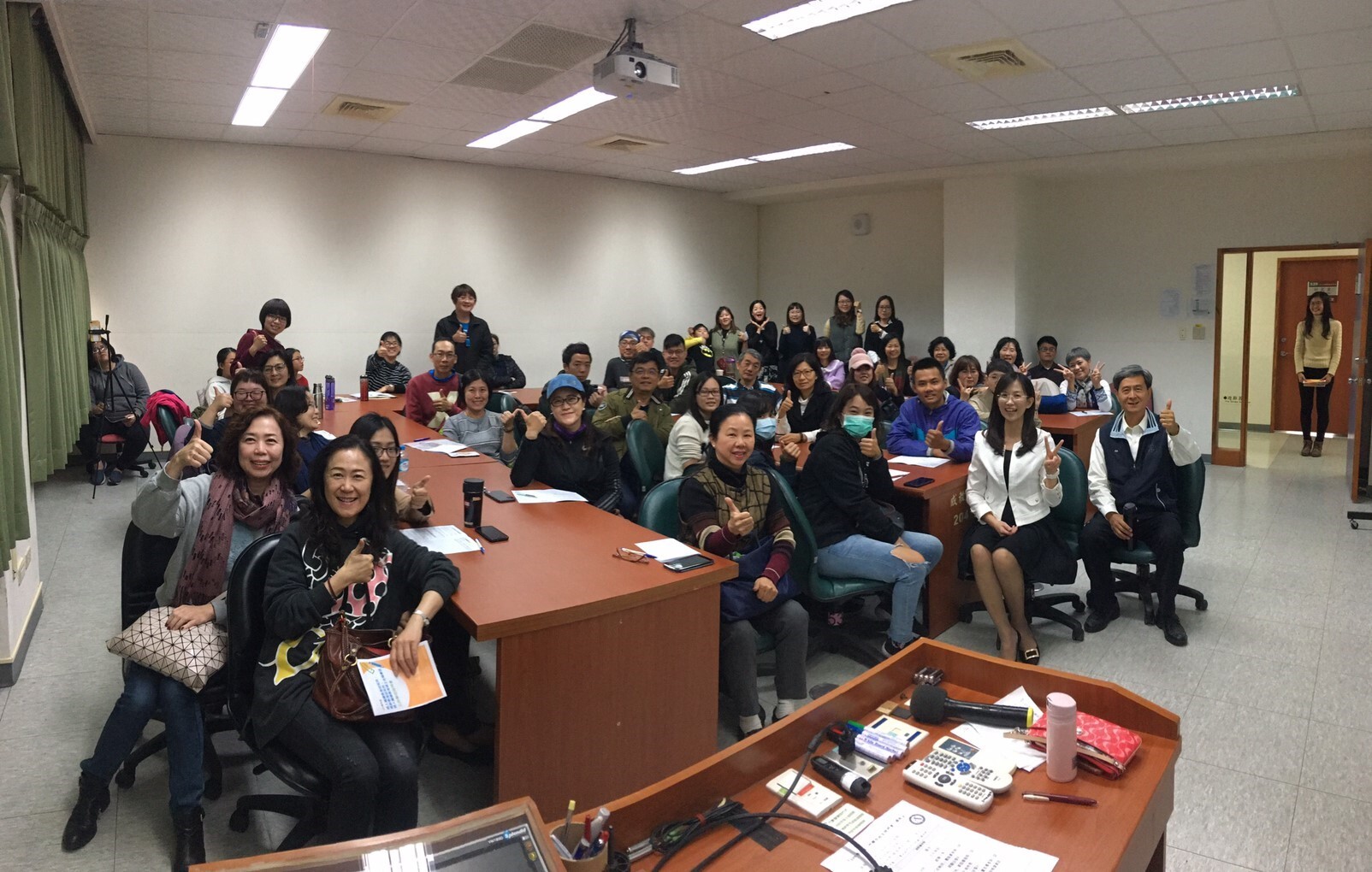
The Department of Adult and Continuing Education of National Chung Cheng University took place the 2019 Education for the Elderly Summit, Ministry of Education, scheduled between 19th and 20th of September 2019, with the topic of “Heading to super-aged Taiwan, establishing a comprehensive active aging society”.
Participants included all local governments, active aging advisory committee members, active aging learning demonstration centers, active aging learning excellence centers, active aging universities recommended by the Mistry of Education and relevant personnel of self-learning groups of the elderly. In total, there were 140 people who participated in the trainings.
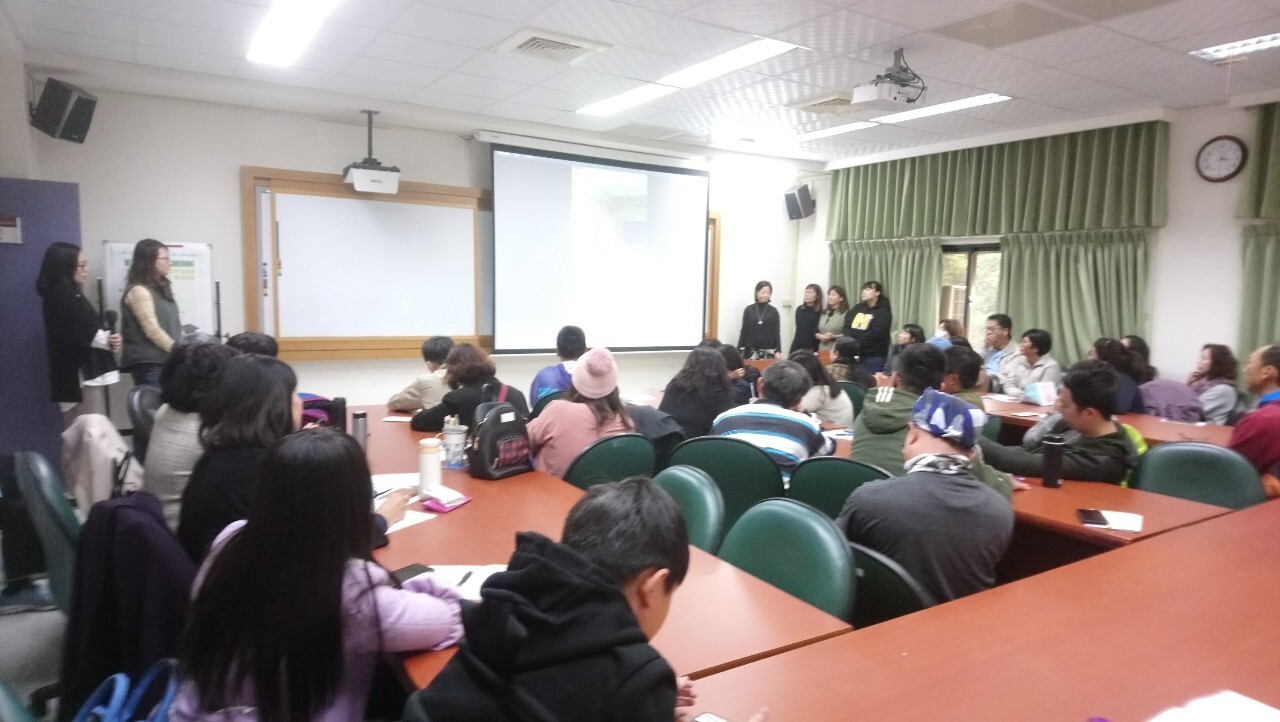
As for academic fields, three speakers were invited, including Associate Professor Kong-Fah Cheng (from the Department of Business Administration of National Chung Cheng University), Professor Meng-Ching Hu (from the Department of Adult and Continuing Education of National Chung Cheng University) and Po-Woun Lin, the CEO of the Hsuan Chuang Cultural And Educational Foundation. Their keynote speeches, themed as the current situation and the future of of the aged society and lifelong learning, marketing creativeness and international visions, have broaden the horizon of the percipients.
As for competent authorities, the Department of Lifelong Learning and the Sports Administration of the Ministry of Education, the Health Promotion Administration and the Social and Family Affairs Administration of Ministry of Health and Welfare, and the Workforce Development Agency of the Ministry of Labor were invited to give short talks of cross-fields policies and to exchange their ideas of super-aged society and strategies of comprehensive integration.
During the two-day conference, we shared the experiences of applying creative learning models of the education for the elderly. The participants were divided into groups to brainstorm and to discuss how to adapt the super-aged society in Taiwan in 2025, and how to create an active aging society. They also provided ideas for future policies, aimed to collect creative ideas for Taiwan’s super-aged society and therefore formed prospective educational strategies, with a core of active aging.